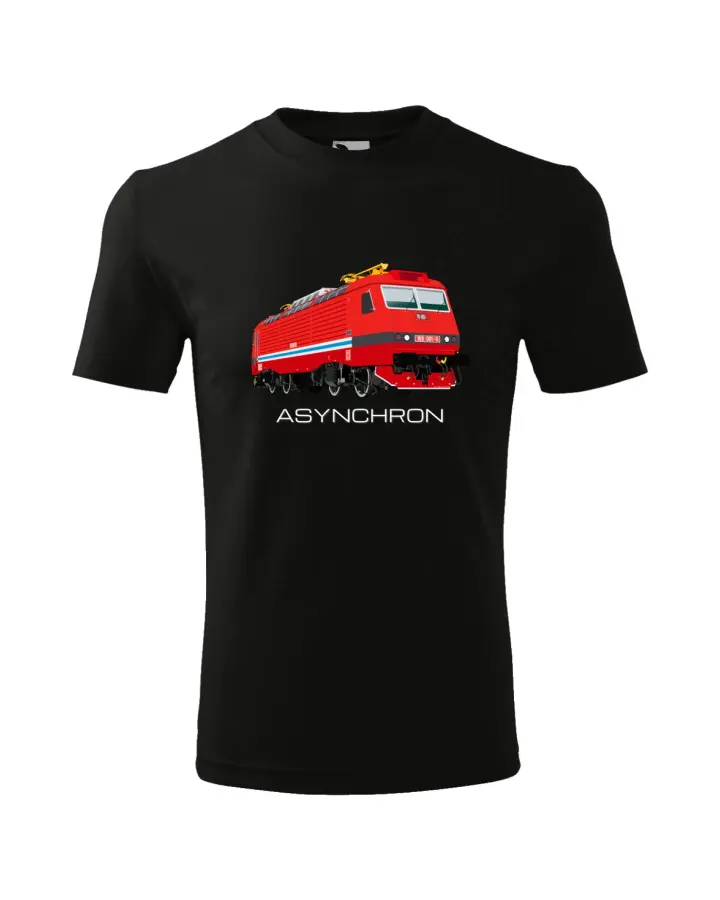
The Class 169 locomotive embodies Škoda’s technological ambitions of the 1980s: an innovative gearless drive system, high power output, and the vision of developing a new generation of versatile electric locomotives. Although the project never reached series production, it left behind a valuable technological legacy. Today, the locomotive is preserved as an important piece of railway history on display in Přerov, Czech Republic.
Interesting Facts About the Class 169 Locomotive – “Asynchron”
History and Significance
The Class 169 locomotive (originally designated E 499.5, Škoda factory type 85E0-ATM) was built in 1987 by Škoda in Plzeň as the sole prototype of a new generation of electric locomotives. Its primary purpose was to test asynchronous traction technology, which represented a significant innovation in Czechoslovak railway engineering at the time.
The locomotive was leased to Czechoslovak State Railways (ČSD) and later Czech Railways (ČD), but was never permanently owned by either operator.
Today, it is displayed as a historical exhibit outside the premises of Českomoravská železniční opravna (ČMŽO) in Přerov.
Design and Technical Innovations
Technical Specifications
-
Wheel arrangement: Four axles, Bo′Bo′ configuration
-
Power supply: 3,000 V DC
-
Maximum speed: 120 km/h
-
Service weight: 80.8 tonnes
-
Length over buffers: 18,000 mm
Traction System and Bogies
The locomotive was originally designed to accommodate two different types of bogies and traction motors:
-
Low-speed asynchronous motors without gearboxes, directly connected to the axles through couplings. In this arrangement, the motor rotor effectively surrounded the axle. Although highly innovative, this design presented operational challenges, particularly during acceleration and when running on tracks of varying quality.
-
High-speed motors with gearboxes, which were installed later and provided improved operational reliability.
The electrical control system employed thyristor choppers and current-source inverters. The traction motor circuits were divided into two branches, each supplying two motors connected in parallel.
During acceleration, the motors were controlled synchronously, with both voltage and frequency gradually increasing to their nominal values.
Braking Systems
-
The primary braking system was electrodynamic, capable of either dissipating energy through braking resistors or returning it to the power supply through regenerative braking.
-
Additional systems included an automatic air brake, a direct-acting brake, and a manual parking brake.
-
Compressors: Two 3 DSK 100 units
Additional Design Features
The locomotive body was constructed from high-strength steel, with an emphasis on minimizing weight and optimizing airflow. The ventilation system incorporated louvred air intakes and exhaust outlets.
A microprocessor-based diagnostic system provided both audible and visual indications to assist drivers and maintenance personnel.
Operational History, Withdrawal and Preservation
The locomotive underwent extensive testing under various operating conditions. It was tested both independently and in double-heading operation with other locomotives, including on routes such as Prague–Beroun, Prague–Nymburk, and lines around Děčín and Most, as well as at the Nymburk depot.
Its lease to Czech Railways ended on December 21, 1996, after which the locomotive was withdrawn from service and never operated again.
During the following years, the locomotive was gradually dismantled. Various components were removed, reused in other projects, or scrapped.
In 2020, ČMŽO purchased the remaining locomotive body and transported it to Přerov, where it underwent restoration to a displayable, but non-operational, condition.
On August 9, 2024, the restored locomotive was officially unveiled outside the ČMŽO administrative building in Přerov.
The interior of the locomotive is now almost completely empty, with its traction motors and other essential components missing. As a result, returning it to operational condition is not considered feasible.
T-Shirt
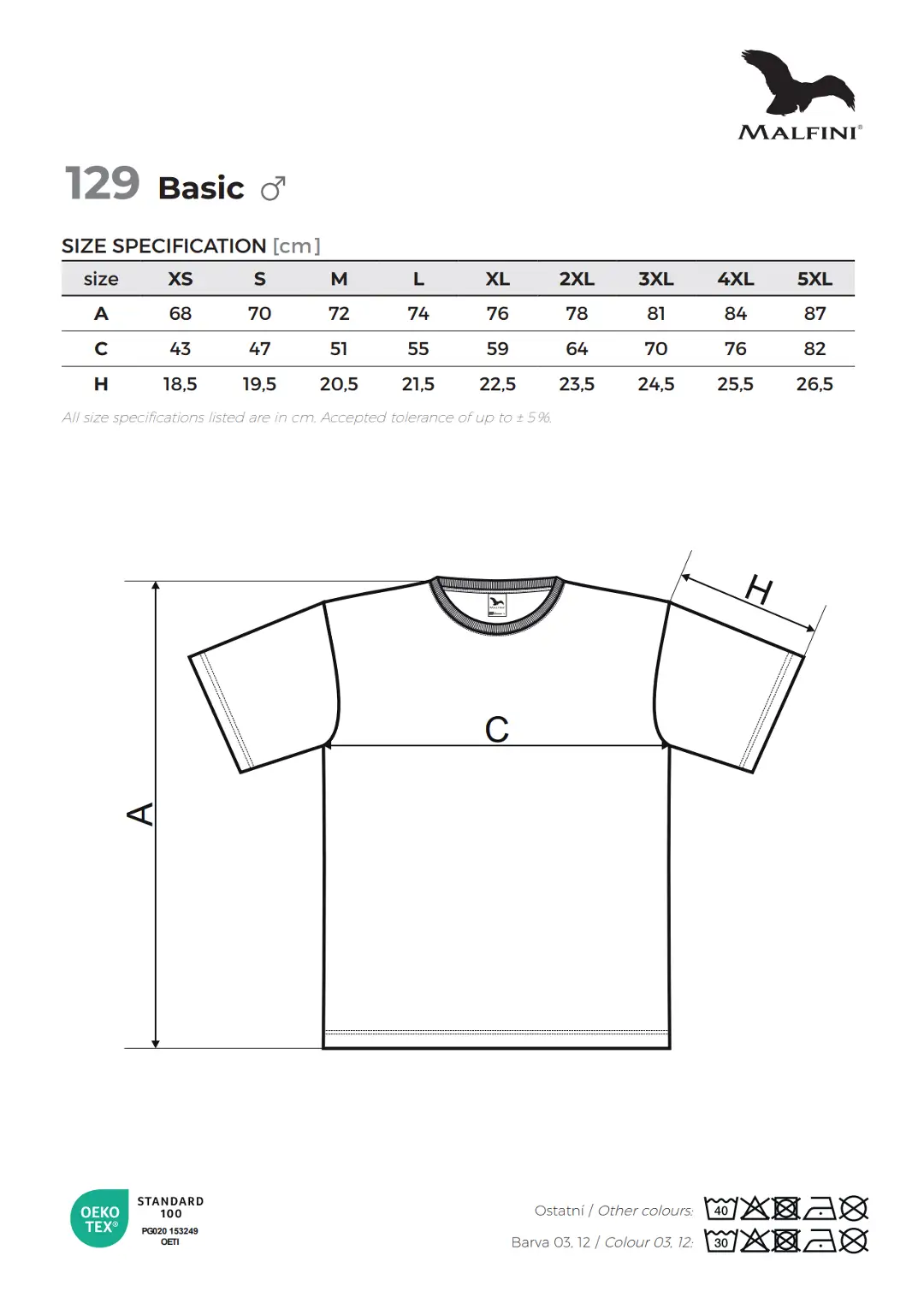
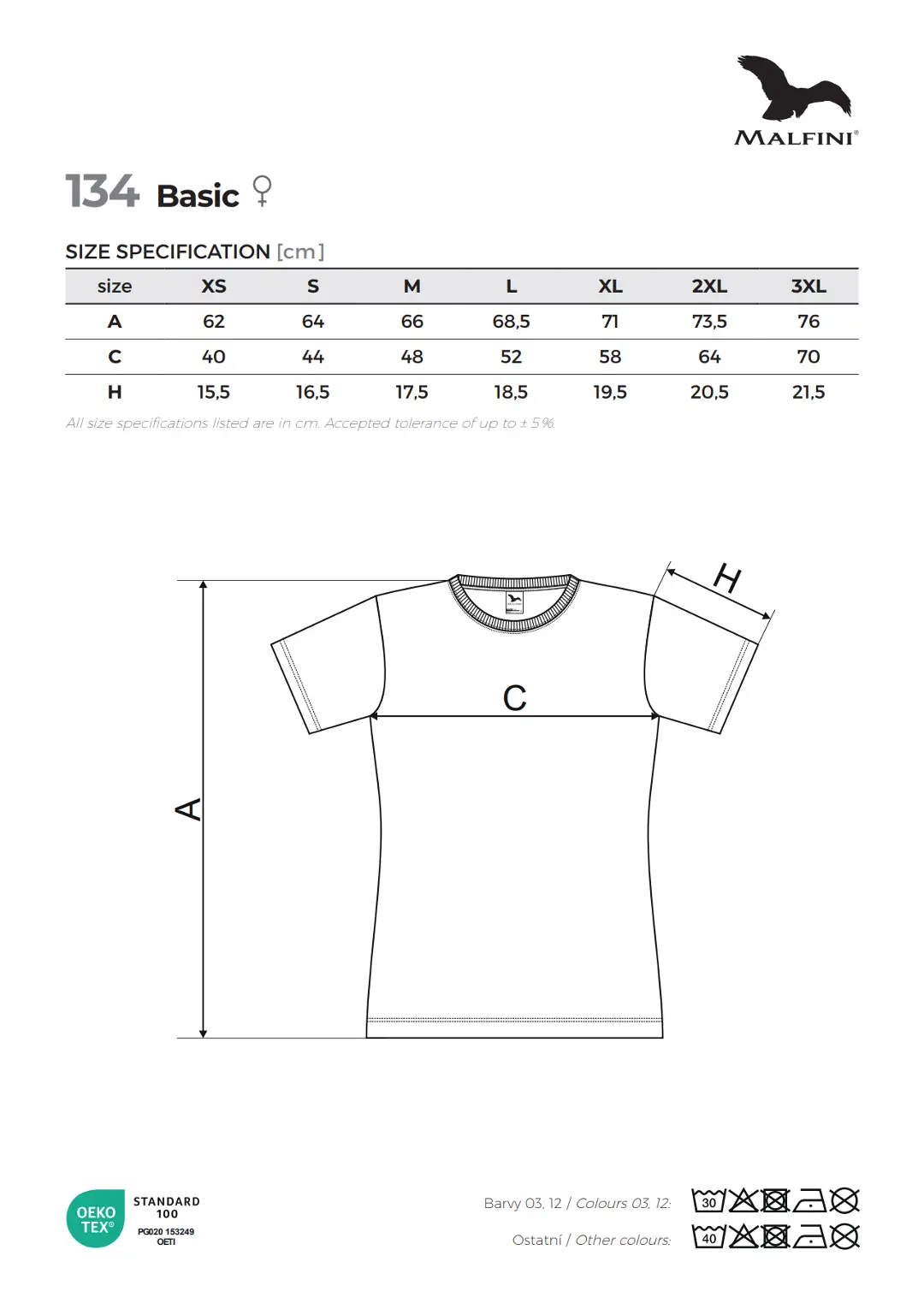
Depending on your selection, your order will include either a Malfini Basic Men’s or Women’s T-Shirt featuring our printed design. Detailed sizing information and garment specifications can be found in the product gallery.
Malfini Basic Men’s T-Shirt: Fabric weight: 160 g/m². Single Jersey, 100% cotton (composition may vary by colour: colour 03 – 97% cotton and 3% viscose; colour 12 – 85% cotton and 15% viscose). Silicone finish.
Malfini Basic Women’s T-Shirt: Fabric weight: 160 g/m². Single Jersey, 100% cotton (composition may vary by colour: colour 03 – 97% cotton and 3% viscose; colour 12 – 85% cotton and 15% viscose). Silicone finish.